Technical Overview
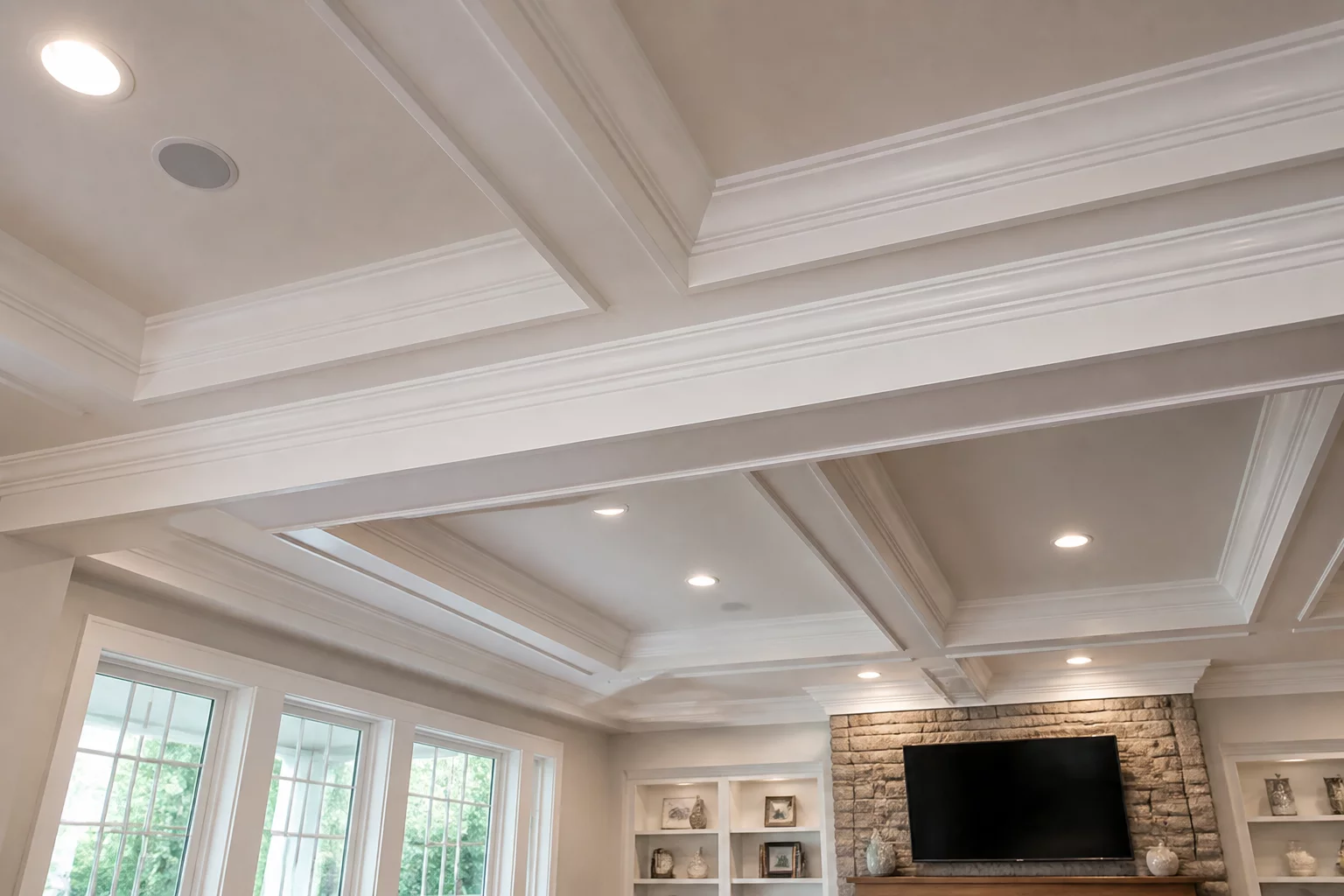
Structural beams are often the biggest hurdle in creating an open-concept living space. While these heavy steel or wood members are non-negotiable for the house's stability, they do not have to be eyesores. One of the most effective methods involves the installation of a coffered ceiling. By creating a grid of shallow beams across the entire ceiling, the actual structural beam becomes just one part of a decorative pattern. This approach adds depth and a sense of luxury to the room while completely masking the drop in ceiling height caused by the load-bearing element.
For those seeking a more rustic or industrial aesthetic, wrapping the beam in high-quality materials is a superior alternative. A massive steel I-beam can be encased in reclaimed oak planks, giving it the appearance of a century-old timber support. Conversely, painting a beam in a contrasting metallic finish can turn a constraint into a bold architectural statement. In modern renovations, we often see these beams integrated into functional soffits that house recessed lighting or HVAC ductwork, effectively turning a single structural obstacle into a multi-functional design feature.
Successful integration requires meticulous planning of vertical clearances. Architects must balance the depth of the concealment method with the minimum required head height, ensuring the room does not feel cramped. When dealing with steel, thermal bridging and moisture control inside the wrap are also critical technical considerations that must be addressed during the design phase to prevent long-term degradation of the finish materials.
Key Project Takeaways
- Wrapping exposed beams in matching wood trim to create intentional architectural thresholds.
- Aligning cabinet heights and ceiling transitions to the beam soffit for a cohesive profile.
- Integrating recessed lighting along beam edges to minimize shadow lines and draw the eye upward.
The coffered ceiling idea is brilliant. It completely transformed our living room from feeling disjointed to high-end custom.
Helped me hide a massive steel beam that was right in the middle of our new kitchen island area. The wrap technique worked wonders.